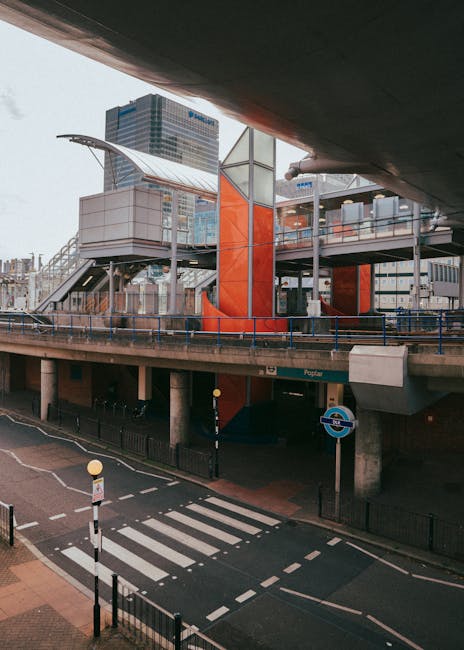
Beckton DLR Station Removals Loading and Access Tips
If you are planning a move near Beckton DLR Station, the loading side of the job can be the part that quietly makes or breaks the day. Beckton DLR Station Removals Loading and Access Tips is really about making the handover between your front door, the van, and the road as smooth as possible. Sounds simple. It rarely is.
Between narrow streets, shared access, school-run traffic, lift timings, and the odd awkward corner, a move in this part of east London needs a bit of local know-how. The good news? With a clear plan, a sensible vehicle choice, and a few practical checks, you can avoid the usual chaos and keep things moving. This guide walks you through what matters, what tends to go wrong, and how to make loading near Beckton far less stressful.
- Why Beckton DLR Station removals loading and access tips matter
- How loading and access planning works
- Key benefits and practical advantages
- Who this is for and when it makes sense
- Step-by-step guidance
- Expert tips for better results
- Common mistakes to avoid
- Tools, resources and recommendations
- Law, compliance, standards and best practice
- Options, methods and comparison table
- Case study or real-world example
- Practical checklist
- Conclusion
- Frequently asked questions
Why Beckton DLR Station Removals Loading and Access Tips Matters
Loading access is not just a logistics detail. Around Beckton DLR Station, it can affect timing, cost, safety, and even whether your move finishes in one clean run or turns into a stop-start shuffle. The station area sits within a busy transport corridor, and that usually means you are working around commuters, buses, local traffic, and tight roadside space. If the van cannot stop where you expected, everything else becomes harder.
In real terms, poor access planning often leads to avoidable problems: a longer carry distance, more labour time, extra parking stress, and greater risk of damage to furniture or walls. That is before you even get to the weather. A wet pavement, a low evening light, or a sudden traffic build-up can all change the feel of the move in a hurry.
Key takeaway: the closer your vehicle can get to the property without causing a parking issue, the smoother the move usually goes. That is why loading bay planning, route checking, and timing matter so much near Beckton DLR Station.
If your move involves a flat, shared entrance, office unit, or a home on a road with limited stopping space, a little pre-planning can save a lot of frustration. Truth be told, most bad moving days are not caused by one major failure. It is usually a few small oversights lining up at the same time.
How Beckton DLR Station Removals Loading and Access Tips Works
The basic idea is simple: plan how the removals van will approach, stop, load, and leave without creating unnecessary delays. In practice, that means thinking through the route from the property to the vehicle, the type of parking available, any height or width restrictions, and whether your move is best done in one clean loading window or split into stages.
Near a transport hub like Beckton DLR Station, the access question usually comes down to four practical points:
- Can the van stop close enough to the property for safe loading?
- Is there a loading bay, permit space, or unrestricted section nearby?
- Are there footpaths, bollards, railings, or tight turns that slow the carry?
- Will the timing of the move clash with commuter or local traffic patterns?
Once those are clear, the rest is a matter of sequencing. Bulky items should go out first if they are easiest to move while the route is clear. Fragile boxes need stable placement. Long or awkward items such as wardrobes, mattresses, and sofas usually need a wider turning path and a second pair of hands. You know the sort of thing - one doorframe that looked generous until the sofa arrived.
Good removals planning also includes a short walk-through before the van arrives. That walk-through helps you spot low branches, tight stair turns, parking pinch points, and anything that might slow the job down. It is boring, yes, but boring is good when moving house.
Key Benefits and Practical Advantages
When loading and access are planned properly, the benefits show up quickly. You spend less time waiting around, the move feels more controlled, and there is less chance of rushing heavy items through awkward spaces. Around Beckton, where routes and parking can be variable, that control is worth a lot.
Here are the practical gains people usually notice:
- Faster loading: less walking distance between door and vehicle means fewer lost minutes.
- Lower risk of damage: fewer narrow turns and fewer hurried lifts.
- Better labour efficiency: movers can focus on carrying, not on managing avoidable parking issues.
- Less stress on moving day: the day feels organised instead of improvised.
- Cleaner timetable: useful if you have a key handover, lift booking, or a chain to keep happy.
There is also a safety angle that matters. The shorter and clearer the loading route, the less chance of tripping, strain, or accidental knocks. That applies just as much to a small studio flat as it does to a three-bedroom family home. Sometimes the simplest route is the best one. Not glamorous, but effective.
If you are comparing options, it can help to look at the wider service picture as well. A company that offers a sensible removal services approach is usually better placed to advise on access, vehicle size, and loading flow than one that only turns up and hopes for the best.
Who This Is For and When It Makes Sense
This topic matters to a wide range of movers, not just people relocating from one house to another. If you are moving near Beckton DLR Station, you may benefit from loading and access planning if any of the following apply:
- You live in a flat or maisonette with limited street stopping space.
- Your property sits on a busy road or close to a junction.
- You have bulky furniture, appliances, or fragile items.
- You need a same-day or time-sensitive move.
- You are moving an office, studio, or commercial space with delivery windows.
- You are using a smaller vehicle and need to make several trips.
It also makes sense if you are moving elderly relatives, students, or people with mobility concerns. The less carrying, the better. A smooth loading point can reduce fatigue and make the whole day feel more manageable, especially if you are dealing with stairs, lifts, or a long path from the flat to the van.
For some moves, a smaller vehicle is a better fit. In other cases, a larger van is worth it if it can legally and safely get close enough. If you are unsure, the right choice often comes down to the balance between vehicle size and access space. A huge van that cannot park properly is no help at all.
For household moves, a service such as house removals can be a practical option when you need help planning around access, stairs, and loading order. For smaller jobs, man with van support may be enough if the route is straightforward and the load is modest.
Step-by-Step Guidance
Here is a sensible process to follow if you want the move to run cleanly near Beckton DLR Station.
- Check the exact pickup point. Walk from the front door to the nearest safe stopping place. Measure it with your eye, not your optimism. If it feels awkward on foot, it will feel worse with a sofa.
- Identify parking and loading options. Look for loading bays, permit spaces, wider sections of road, or any short-stay area that can support the move without blocking traffic.
- Match vehicle size to access. A smaller van may be easier to park, while a larger one may reduce trips. The best choice depends on both load volume and road layout.
- Group items by weight and fragility. Heavy, sturdy items should be ready first. Fragile boxes and loose items should be clearly separated.
- Protect the route. Use door protectors, blankets, floor coverings, and corner guards where needed.
- Load in a logical order. Put the heaviest and least fragile items in first, then layer lighter boxes around them so the van space stays stable.
- Leave a buffer. Give yourself a little extra time for traffic, lifts, key collection, or parking adjustments. Ten minutes can disappear alarmingly fast.
It helps to do a final check just before the van arrives. Are the items disassembled where needed? Are paths clear? Is someone ready to guide the driver if access is tight? Small things. Big difference.
If you are moving from a flat, you may find it useful to look at related local advice on narrow-access flats in Beckton. That kind of route planning is often what keeps the day under control.
Expert Tips for Better Results
Most experienced movers do not rely on luck. They rely on habits that reduce friction. A few of those habits are especially useful around Beckton DLR Station.
1. Aim for the shortest sensible carry
You do not need the van directly outside the door every time, but the shorter the carry, the safer and faster the move tends to be. If you can reduce the route by even a few metres, you may notice the difference by the end of the job.
2. Think about the time of day
Early starts often work better than later ones, especially where local traffic or station activity can build through the morning. If your move involves a shared road, a quieter window may help. The street feels different at 8 a.m. than it does at lunchtime. That much is obvious once you are standing there with a trolley.
3. Keep the loading team briefed
If multiple people are helping, give them one simple plan: what comes out first, where the vehicle is, and which items need extra care. Confusion usually starts with silence.
4. Build in a buffer for awkward items
Fridges, sofas, wardrobes, and long mirrors can all create access problems at the last minute. Plan for one item to be awkward. It often will be. Better to expect a wobble than be surprised by one.
5. Use local knowledge where possible
Local teams understand the practical quirks of roads, loading points, and building layouts around Beckton. That local awareness can save time because they are not learning the street from scratch. If your move also involves a workplace or commercial unit, commercial moves support can be especially useful when access and timing have to be tightly controlled.
And yes, sometimes the best tip is simply this: do less on the day. Disassemble furniture in advance, label boxes clearly, and keep hallways clear. Boring? A little. Effective? Absolutely.
Common Mistakes to Avoid
Most access problems are predictable. The tricky part is that they only look obvious after they have cost you time. Here are the big ones.
- Assuming parking will work itself out. Around station areas, that is rarely a safe assumption.
- Choosing a van that is too large for the road. More space inside the van is useless if the vehicle cannot stop nearby.
- Not checking stairways or lift access. One awkward lift booking can disrupt a whole schedule.
- Leaving packing too late. Last-minute boxes slow loading and increase the chance of fragile items being rushed.
- Forgetting weather and surface conditions. Rain, damp paving, and poor lighting make the carry slower and less safe.
- Ignoring special items. Large mirrors, pianos, and appliances usually need different handling. They are not just "bigger boxes."
One small but common mistake is not planning where the first trolley run will start. It sounds minor. Then the van arrives, the driver is waiting, and the front path is still full of recycling bags, bikes, or random bits of flat-pack packaging. Happens all the time.
If you are dealing with a fragile or specialist item, it is worth thinking separately about packing and vehicle positioning. For example, a tricky piano move is not just about lifting strength; it is about access lines, surface protection, and controlled movement. The same logic applies to large sofas or appliances.
Tools, Resources and Recommendations
You do not need a massive toolkit to manage loading well. A few practical items can make a big difference, though, and most are simple enough to prepare in advance.
| Tool or item | What it helps with | Why it matters near Beckton DLR Station |
|---|---|---|
| Furniture blankets | Protecting corners and surfaces | Useful when carrying through narrow or shared access areas |
| Wheel dolly or trolley | Moving heavier items safely | Reduces strain when the route to the van is longer than expected |
| Door protectors | Avoiding scrapes and knocks | Helpful in flats, communal entrances, and tight hallways |
| Labels and markers | Organising boxes by room or priority | Makes unloading faster if access is time-limited |
| Gloves and sturdy footwear | Grip and basic protection | Especially sensible if surfaces are wet or uneven |
As for services, the most useful recommendation is to match help to the job. For a full property move, a structured service such as home moves may be more suitable than a basic one-off lift. For large item transfer, options like furniture pick up can be a sensible fit when access is simple but the item itself is heavy or awkward.
If you are still comparing providers, look for clear communication, transparent pricing, and sensible advice on vehicle access. A decent removals team should be able to explain what they need from the parking arrangement without making it sound like a drama. Because, to be fair, it should not be a drama.
Law, Compliance, Standards and Best Practice
For moves near Beckton DLR Station, legal and compliance concerns are usually practical rather than complicated, but they still matter. You may need to think about parking restrictions, loading bay rules, time limits, building management requirements, and any local access controls that apply to the street or development.
It is also sensible to consider basic moving safety standards. This usually means using suitable lifting techniques, keeping walkways clear, not overloading a vehicle, and securing items so they do not shift in transit. If the move involves shared spaces or public footpaths, extra care is needed so other pedestrians are not put at risk.
For household goods disposal, there is a separate duty of care angle to keep in mind. If items are being removed for disposal rather than relocation, they should be handled responsibly. A service with a clear approach to recycling and sustainability can be useful where reuse, donation, or proper disposal is part of the move.
Insurance is another sensible check. It is worth knowing what is covered if something is damaged while being moved, especially for larger furniture or delicate items. A provider that explains insurance and safety clearly tends to inspire more confidence than one that is vague about the details.
And yes, local parking rules can change the whole job. If you are unsure, it is better to verify the arrangement in advance than to discover the issue once the van has arrived. That is not fun for anyone.
Options, Methods and Comparison Table
Different access situations call for different approaches. The right method depends on your property type, the road layout, the amount of furniture, and how much time you have. Here is a simple comparison that may help.
| Method | Best for | Pros | Watch-outs |
|---|---|---|---|
| Small van close to entrance | Flats, single-room moves, light household loads | Easier parking, shorter carry, flexible on tight streets | May need extra trips if the load is larger than expected |
| Larger removals van with planned loading space | Full home moves, bulky furniture, mixed loads | Fewer trips, more efficient packing | Needs better access planning and more parking confidence |
| Split loading by time slot | Busy roads, limited access, building restrictions | Reduces pressure on one single loading window | Requires stricter scheduling and coordination |
| Man and van support | Smaller moves, urgent jobs, compact loads | Often more flexible and straightforward | Not always ideal for heavy or highly fragile whole-house moves |
The choice is rarely about what sounds strongest on paper. It is about what fits the street, the stairwell, and the load. If you are moving a few items from a nearby flat, a smaller vehicle may be all you need. If you are relocating an entire household, a more structured plan will usually save time overall.
Case Study or Real-World Example
Here is a realistic example from a typical Beckton move. A couple living in a first-floor flat near the station needed to move into a house a short distance away. The furniture list was not huge, but it included a bed frame, mattress, two wardrobes, a sofa, boxes of books, and a fridge.
At first glance, it looked like a straightforward morning job. Then the practical details emerged. The nearest obvious stopping point was too tight for comfortable loading, and the building entrance was shared, which meant the route had to stay clear for neighbours. A quick review of the street showed a better place to stop a little farther along, where the carry was slightly longer but much safer and easier to manage.
By adjusting the van position, dismantling the bed in advance, and loading the heavier items first, the move stayed calm. Not perfect, mind you. There was still a brief hold-up when the mattress caught on a turn. But it was handled without stress because the route had already been planned. That is the difference a little prep makes.
The real lesson? Access planning does not need to be complicated to be effective. A small improvement in vehicle position, a sensible loading order, and a clear path can cut the friction right down.
Practical Checklist
Use this simple checklist before moving day. It is not fancy, but it works.
- Confirm the exact address, entrance, and floor level.
- Check where the van can safely stop and load.
- Look for loading bays, permits, or restricted parking rules.
- Measure or visually check the carry route from door to vehicle.
- Clear hallways, stairs, and entrances of loose items.
- Disassemble large furniture where possible.
- Label fragile boxes and keep them separate.
- Protect floors, corners, and doorframes.
- Plan the order items will be loaded.
- Keep keys, documents, and essentials somewhere easy to reach.
- Allow extra time for traffic, parking, and lift delays.
- Check insurance and safety arrangements before the move starts.
If you want a smoother overall experience, it also helps to declutter before the packing stage. Fewer items usually means less loading stress and fewer access headaches. A good local article on effective decluttering can be a useful starting point if you are trying to cut the load down before moving day.
Quick reminder: if the access plan feels shaky, fix that before the van arrives. Once the lift is coming or the driver is waiting, the pressure climbs very quickly.
Get a free quote today and see how much you can save.
Conclusion
Beckton DLR Station Removals Loading and Access Tips are really about making one part of the moving process predictable. And predictable is what you want on moving day. When you understand the access route, choose the right vehicle, and plan the loading order carefully, the entire job becomes less chaotic and much safer.
Near Beckton DLR Station, that kind of preparation pays off because the area can demand a bit of flexibility. A few minutes spent checking parking, paths, and timing can save an hour of faffing later on. That is not a dramatic claim. It is just how these jobs tend to work in real life.
If you are moving soon, keep it simple: map the route, match the van to the space, and give yourself enough time to breathe. The rest tends to fall into place. Well, most of it anyway.
And if today feels like a lot, that is normal. A good move is rarely the result of luck; it is usually the result of a few careful choices made early on. One step at a time, you will get there.
Frequently Asked Questions
What does Beckton DLR Station removals loading and access tips actually cover?
It covers the practical side of getting a removals van close enough to your property, loading items safely, and avoiding delays caused by parking, traffic, or awkward access near Beckton DLR Station.
Why is access planning so important for removals in Beckton?
Because a move can slow down quickly if the van cannot stop nearby, the route is tight, or parking rules are not checked in advance. Good access planning keeps the day calmer and usually more efficient.
Should I choose a smaller van or a larger van for a Beckton move?
It depends on the road, the load, and the carry distance. A larger van may reduce trips, but a smaller van can be easier to park and position near a station area. The best choice is the one that fits the access, not just the volume.
How early should I plan parking and loading arrangements?
As early as possible, ideally before moving day. Even a quick check of parking restrictions, loading points, and building access can prevent last-minute problems and wasted time.
Do I need special help for flat removals near Beckton DLR Station?
If you have stairs, a lift booking, narrow corridors, or limited street access, special planning helps a lot. Flat removals often benefit from a more structured approach than a simple door-to-van move.
What items cause the most loading problems?
Bulky items like sofas, wardrobes, mattresses, fridges, and mirrors are usually the most awkward. They need more space, better handling, and a cleaner route to the vehicle.
How can I make loading faster on moving day?
Disassemble furniture in advance, label boxes clearly, keep the route clear, and load heavy items first. A little prep goes a long way. Honestly, it really does.
Are there compliance issues I should think about?
Yes. Parking rules, loading restrictions, building access requirements, safety practices, and insurance cover all matter. If items are being disposed of, duty-of-care considerations may also apply.
Is a man and van service enough for this kind of move?
For small or medium moves, yes, it often is. For larger households, awkward access, or more complex loading, a fuller removals service may be a better fit.
What should I do if the nearest parking space is too far away?
Look for a safer loading position nearby, even if it adds a little walking distance. It is usually better to carry a bit farther than to risk blocking traffic or struggling in a bad stopping spot.
Can local removal help reduce access problems?
Yes. A local team that understands Beckton roads and station-area traffic can often make better judgement calls on vehicle choice, timing, and loading position.
What is the biggest mistake people make with loading near the station?
Assuming everything will be fine without checking access first. It sounds minor, but that is often what creates delays, extra effort, and unnecessary stress.