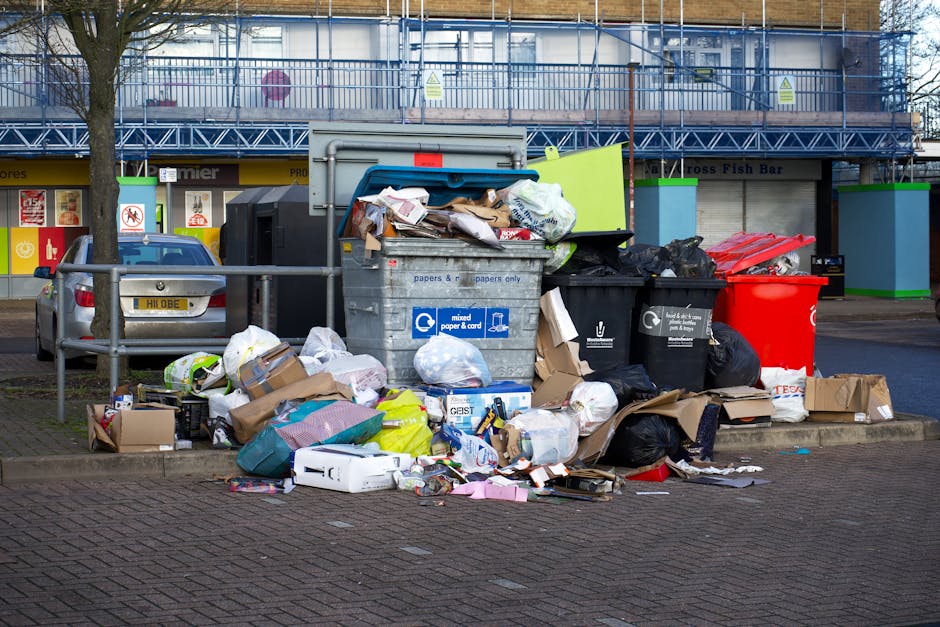
Beckton House Clearances: Duty of Care & Disposal Law
House clearances can look simple from the outside: empty a property, load a van, and drop the contents off somewhere suitable. In reality, Beckton House Clearances: Duty of Care & Disposal Law is where things get properly serious. You are not just shifting unwanted items out of a home; you are responsible for where they go, who handles them, and whether they are disposed of legally and safely. That matters whether you are clearing a flat after a move, dealing with a probate property, or helping a landlord turn a place around quickly.
Done well, a clearance protects you from fines, messy fly-tipping issues, and avoidable stress. Done badly, it can create a headache that lingers long after the last box has gone. This guide breaks the whole thing down in plain English, with practical steps, compliance pointers, and a realistic look at how a proper clearance should work in Beckton and across nearby parts of Newham.
Why Beckton House Clearances: Duty of Care & Disposal Law Matters
At the heart of any clearance is a simple principle: waste does not stop being your problem just because it has left your front door. Duty of care means you must take reasonable steps to make sure waste is handled by someone authorised to take it, and that it is dealt with properly. That includes furniture, appliances, broken household items, old paperwork, garden waste, and the awkward stuff that seems to multiply in cupboards for years.
For Beckton households, this is especially relevant because clearances often happen under pressure. Maybe a tenancy is ending. Maybe a relative has moved into care. Maybe you are trying to get a property ready before the weekend. In those moments, people are tempted to go with the quickest option, not the safest one. That is where problems creep in.
If waste is dumped illegally, or handed to someone who cannot prove they are handling it properly, the responsibility can bounce back to the original owner or occupier. That is the bit people miss. Not everything is obvious. You might think, "I paid someone to take it away, job done." But if that person disposes of it badly, you can still be drawn into the mess. Not ideal, to say the least.
There is also a wider local impact. Fly-tipped items in back streets, around shared access points, or near estate parking bays create real inconvenience for neighbours and can attract council attention quickly. A proper house clearance is not only a compliance issue; it is part of being a decent local neighbour, really.
Practical takeaway: if you cannot trace where clearance waste is going, or who is taking it, you are taking a risk. A lawful clearance is about proof, process, and sensible handling, not just speed.
How Beckton House Clearances: Duty of Care & Disposal Law Works
The law itself is not something most people want to read on a Saturday morning, fair enough. But the working idea is straightforward. You must ensure waste is passed to the right people, handled in the right way, and taken to an appropriate facility or reuse route. That can include recycling, donation, resale where suitable, or disposal through licensed waste channels.
In practice, a compliant clearance usually follows a few stages:
- Assessment of the property contents. Separate reusable items, recyclable materials, bulky waste, and anything that needs special handling.
- Sorting before loading. Not everything should be treated as rubbish. A sofa, for example, may be reusable, while a damaged mattress or broken cabinet may need disposal.
- Safe loading and transport. Items should be lifted and moved with care, especially on stairs, narrow hallways, and tight front steps. If that sounds familiar, it probably is.
- Transfer to an approved destination. Waste should go to a legitimate disposal or recycling route, not just "somewhere in the van".
- Record keeping. For businesses or landlords, keeping notes, receipts, or transfer details is sensible. For homeowners, it still helps if any issue comes up later.
Clearances often overlap with moving and storage decisions too. If you are decluttering before a move, our guide on effective decluttering before moving day is a useful companion, because the cleaner the decision-making early on, the less waste you end up paying to shift.
And if heavy furniture is involved, especially wardrobes, beds, or appliances, it is worth thinking about how the load is handled from the start. A small planning error turns into a sore back very quickly. We have all seen that expression on someone's face after an overambitious lift. Not fun.
Key Benefits and Practical Advantages
A properly managed house clearance does more than remove clutter. It gives you control over the process, reduces legal risk, and usually makes the whole job calmer. That calmer bit matters more than people admit.
- Lower compliance risk: You reduce the chance of using an unlicensed collector or triggering a fly-tipping issue.
- Better reuse and recycling: Usable items can be separated from genuine waste, which is better for cost and sustainability.
- Less physical strain: Proper lifting, planning, and loading reduce injury risk, especially in older properties or flats.
- Faster property turnaround: This is useful for landlords, executors, and anyone preparing a home for sale or let.
- Cleaner audit trail: If anyone later asks where items went, you are not left shrugging and hoping for the best.
There is also a quiet financial benefit. A legally sound clearance may look more structured at the outset, but it often avoids the hidden costs that come from poor disposal, missed trips, fines, or emergency call-backs. If you are comparing options, reading about unexpected charges in Beckton removal quotes can help you spot where cheap becomes expensive.
And for larger pieces, the practical angle matters just as much as the legal one. If a clearance includes sofas, beds, or other bulky items, it is worth combining proper waste handling with sensible transport planning. Sometimes people forget that the hardest part is not the paperwork; it is manoeuvring a bulky item through a narrow hallway without chipping half the wall. Minor detail, huge difference.
Who This Is For and When It Makes Sense
House clearance services are not only for dramatic situations. In Beckton, they are used by all sorts of people in everyday, slightly messy circumstances.
- Homeowners clearing out after a sale, refurbishment, or family move.
- Tenants leaving a property and needing to remove leftover furniture or rubbish responsibly.
- Landlords dealing with end-of-tenancy clearances or abandoned items.
- Executors and family members handling probate clearances with care and sensitivity.
- Local businesses disposing of office furniture or mixed contents from a domestic-style property use.
- Anyone with bulky waste that cannot simply be bagged and left out for normal collection.
It also makes sense when the property layout is awkward. Beckton has plenty of homes where access is fine for day-to-day living but less fun when you are trying to move a fridge, mattress, or three-drawer filing cabinet. If that sounds familiar, the advice in narrow-access flats in Beckton is worth a look.
For students, one or two bulky items can quickly become a disposal headache at the end of term. For that situation, the practical realities of student removals in Beckton often overlap with clearance decisions, especially when a room needs emptying fast. Same with flats, where flat removals in Beckton can be the cleaner route if some items are being moved on rather than discarded.
Whoever you are, if there is any chance the property contains items that need special handling, doing it carefully is simply the sensible move.
Step-by-Step Guidance
Here is a practical way to approach a clearance without turning it into chaos. Nothing fancy. Just a solid sequence that tends to work.
- Walk through the property first. Make a quick inventory of what stays, what goes, what can be reused, and what may need specialist disposal.
- Separate obvious categories. Paperwork, textiles, furniture, appliances, electrical items, and mixed rubbish should not all be bundled together.
- Check for items needing extra care. Fridges, freezers, mattresses, paint, batteries, and anything containing fluids or sharp parts need more thought than a simple lift-and-go.
- Decide what is reusable. If an item can be donated, sold, or stored, there is no sense throwing it away too early.
- Plan access and loading. Measure doorways if needed, remove trip hazards, and decide where the van can safely park.
- Use proper lifting and team handling. Large items are best moved by trained people using the right approach. If you want a practical reminder of the risks, see how to lift heavy items safely.
- Confirm the disposal route. Ask where the waste is going and whether the operator can describe the route clearly. You do not need a thesis, just a straight answer.
- Keep a basic record. A note of dates, items removed, and any receipt or confirmation is wise, especially for landlords and executors.
If you are preparing a home for a new occupant, a more orderly approach helps. The guide on getting a home ready for new occupants fits neatly with clearance planning, because a spotless handover usually starts with stripping out the wrong things in the right order.
One small but useful habit: pause before loading. People often rush the last room and regret it. A five-minute check can save a whole second trip. That is the boring truth, but it works.
Expert Tips for Better Results
Over time, a few patterns become obvious. The best clearances are not the ones with the biggest vehicles or the fastest workers. They are the ones where decision-making is tidy from the start. That is the real difference.
- Do not mix everything together. When items are sorted before loading, reusable goods are easier to redirect away from landfill.
- Be honest about special waste. If there is broken electrical equipment, chemical residue, or anything unusually heavy, say so early.
- Think about storage before disposal. Some items are not waste, just temporarily in the wrong place. If that is the case, storage in Beckton may be a better bridge than disposal.
- Use decluttering as a decision filter. If you were not sure last month, you may be sure now. Sometimes a bit of distance helps.
- Don't underestimate access issues. Narrow stairs, long internal hallways, shared entrances, and parking constraints can affect time and cost.
- Keep paperwork separate. Personal records, legal documents, and bank letters should be checked before anything is removed. Happens all the time.
There is also a tactical angle. If the clearance is happening alongside a move, you can reduce duplication by working from room to room and deciding whether each item is being moved, stored, recycled, or disposed of. It sounds obvious, yes, but in the middle of a busy day people often forget to make the call and just pile everything into one corner. Then they pay for it later.
For awkward furniture, good handling matters more than bravado. Our piece on kinetic lifting and safer moving techniques explains why the method of lifting matters just as much as the strength of the person lifting.
Common Mistakes to Avoid
The biggest mistakes in house clearances are not usually dramatic. They are small decisions made too quickly. That is what causes the trouble.
- Using an unverified collector. If someone can take the waste today but cannot explain where it goes, that is a red flag.
- Assuming all items are waste. Many things can be reused or donated. Throwing them away too early is a waste of money and materials.
- Ignoring bulky-item risks. Mattresses, wardrobes, and white goods are awkward and can cause damage if handled badly.
- Forgetting local access limits. Parking, permits, and loading space can shape the whole job. If you are planning a clearance around street constraints, the guidance in avoiding Newham council parking fines is worth keeping in mind.
- Leaving the property half-cleared. This happens more often than people admit. A half-job can be worse than no job if deadlines are tight.
- Not checking sentimental or legal items first. Old photos, deeds, letters, medication, and keys should be dealt with before the main clear-out begins.
There is a funny little pattern here: the more rushed a clearance feels, the more likely it is to create another task. Funny, in the miserable way. But avoidable. Slow down just enough to sort, label, and ask questions. That alone fixes a lot.
Tools, Resources and Recommendations
You do not need a warehouse of equipment to do a clearance properly, but the right tools make a big difference.
- Heavy-duty sacks and boxes: Useful for mixed small items, paperwork, textiles, and household clutter.
- Furniture blankets and straps: Helpful when items are being moved out intact or loaded alongside other belongings.
- Labels and markers: Simple, but brilliant for separating keep, store, donate, recycle, and dispose piles.
- Gloves and basic protective gear: Especially important when sorting garages, lofts, sheds, or long-untouched cupboards.
- A measuring tape: Handy when access looks tight and you need to know whether something will actually fit through a doorway.
- Clear route plan: Knowing where the van will stop and how items will be carried out saves a lot of backtracking.
For people doing a broader move alongside the clearance, packing help also pays off. Packing and boxes in Beckton can support the parts you are keeping, while packing efficiency tips can help you avoid mixing keepsakes with items headed for disposal.
If the house clearance is part of a larger relocation, you may also find it useful to look at removals in Beckton and man with a van in Beckton as broader planning options. Those pages are especially relevant when the job includes both clearing and moving rather than pure disposal.
Law, Compliance, Standards, or Best Practice
Without turning this into a legal lecture, the important point is that waste duty of care in the UK is about responsibility, traceability, and proper handling. You should be satisfied that the person taking the waste can lawfully do so and will transfer it to the correct destination. If you are organising a clearance yourself, make sure the route is legitimate, not just convenient.
Best practice usually includes:
- using a reputable operator that can explain their disposal route plainly
- separating recyclable and reusable items where practical
- handling electricals, mattresses, and bulky waste carefully
- keeping notes or receipts for your own records
- checking whether the property contains any items that need specialist disposal
If you are a landlord or executor, the need for records is stronger. A simple paper trail helps demonstrate that you acted responsibly. It is not about being overly formal; it is about avoiding awkward questions later. And frankly, awkward questions are easier to avoid than answer.
Where local operational issues are involved, such as traffic, restricted access, or loading near shared housing, the practical side of compliance matters too. Our guide to safe moves on narrow Beckton streets is a good reminder that legal clearance decisions often depend on real-world street conditions, not just paperwork.
If you want a company-level view of how a removal provider treats safety, insurance, and care, the page on insurance and safety is a sensible supporting read.
Options, Methods, or Comparison Table
Different clearance methods suit different situations. A quick comparison makes the choice a bit clearer.
| Method | Best for | Pros | Watch-outs |
|---|---|---|---|
| Self-clearance | Small amounts of mixed household waste | Full control, flexible timing | Hard work, access issues, disposal responsibility stays with you |
| Man and van clearance support | Bulky furniture, mixed loads, moderate clear-outs | Less lifting, quicker removal, useful for awkward access | You still need to understand what is being taken and where it goes |
| Full clearance service | Whole-property clearances, probate, landlord turnarounds | More structured, less stress, usually better for larger jobs | Costs more than doing it yourself, so good scoping matters |
| Storage-first approach | Items you are not ready to throw away | Buys time, helps with decision-making | Not a disposal solution; just a pause button |
For some families, the right answer is not "clear it all" but "split the load". A few things go to storage, some go to reuse, and the rest are responsibly disposed of. That mix is often the most realistic route. Bit messy at first, but sensible.
Case Study or Real-World Example
A common Beckton scenario goes like this. A landlord needs a two-bedroom flat emptied between tenants. The property contains old seating, a bed base, a mattress, a small fridge, and a few bags of mixed belongings left behind. There is a tight stairwell, limited parking, and the job has to be done quickly before cleaners and maintenance can come in.
A rushed approach would be to load everything without sorting, take it away, and hope it all ends up in the right place. A better approach is more deliberate:
- separate any recoverable personal items from genuine waste
- identify the mattress and fridge for proper handling
- protect walls and floors during removal
- confirm access and parking before arrival
- keep a note of what was removed and when
The difference is not just compliance. The property is ready sooner, there is less risk of damage, and the landlord is not left wondering whether the waste left the area legally. In one of those slightly dull but very useful wins, the whole job becomes calmer from start to finish.
That same logic applies to homeowners after a move. If you are already working through furniture removal and sorting what stays, furniture removals in Beckton can help separate moveable items from clearance items without creating a pile-up in the hallway.
Practical Checklist
Use this before any house clearance in Beckton. It keeps the job focused.
- Walk through every room and list what is staying, going, or being stored.
- Set aside legal papers, keys, photographs, medication, and valuables first.
- Identify bulky items, electricals, and anything that may need special disposal.
- Check access: stairs, lifts, parking, loading space, and turning room.
- Decide whether any items can be reused, donated, or sold.
- Confirm the disposal route and ask for proof or confirmation where appropriate.
- Protect flooring and walls before large items are moved out.
- Keep a simple record of what was cleared.
- Book any follow-on cleaning, repair, or storage only after the clearance plan is set.
- Review whether the property is fully ready for the next stage, move, let, or sale.
If your clearance overlaps with relocation, the article on eliminating moving stress pairs well with this checklist, because the same principles reduce both waste and chaos.
Get a free quote today and see how much you can save.
Conclusion
Beckton House Clearances: Duty of Care & Disposal Law is really about doing the sensible thing with care, traceability, and a bit of planning. When you understand the rules, the process becomes much less intimidating. You can sort what stays, handle what goes properly, and avoid the kind of mistakes that create stress later.
In real life, the best clearances are usually the ones that feel calm, even if the property itself is anything but calm when you start. A little structure goes a long way. A few careful decisions, a clear disposal route, and the right support where needed - that is the formula.
And once it is done, it is genuinely a relief. The rooms feel lighter. The job is finished. You can hear your own footsteps again. That is a nice moment, honestly.
Frequently Asked Questions
What does duty of care mean in a house clearance?
It means you must take reasonable steps to make sure waste from the clearance is handled properly, passed to someone authorised, and disposed of lawfully. You should not just hand items over and forget about them.
Can I be responsible if a clearance company fly-tips my waste?
Potentially, yes. If you gave waste to someone who was not properly handling it, responsibility can come back to you. That is why checking who you hire matters so much.
Do all household items count as waste?
No. Some items can be reused, repaired, sold, donated, or stored. A good clearance starts by separating what is genuinely waste from what still has value.
What should be done with furniture during a clearance?
Furniture should be assessed for reuse first, then carefully removed and sent to the right route. Large or awkward pieces should be handled with proper lifting and transport planning.
Are mattresses and appliances treated differently?
They often need special handling because of their size, construction, or disposal route. Fridges, freezers, and mattresses are common examples where a standard throw-it-all-in approach is not suitable.
How do I know if a clearance operator is suitable?
Ask how they handle waste, whether they can explain their disposal route, and how they manage bulky items. Clear, practical answers are usually a good sign. Vague answers are not.
Is it better to clear a property myself or hire help?
It depends on the amount, weight, access, and time available. Small clear-outs may be manageable alone, but larger or legally sensitive jobs are often easier with professional help.
What records should I keep after a clearance?
Keep a note of the date, items removed, who handled the clearance, and any confirmation or receipt you receive. That is especially useful for landlords, executors, and business owners.
Does a house clearance include recycling?
It can and often should. Good practice is to recycle or reuse as much as possible before considering disposal, provided the items are suitable for that route.
What if I find paperwork, jewellery, or important documents during the clearance?
Stop and separate them immediately. Legal papers, IDs, and valuables should never be bundled in with general waste. It sounds obvious, but these things are easy to miss in a rush.
How can I make a Beckton house clearance less stressful?
Sort items before loading, confirm access and parking early, and keep a clear decision on what stays, stores, or goes. If moving is part of the same job, planning both together helps a lot.
What is the main mistake people make with disposal law?
The biggest mistake is assuming that once waste leaves the property, the responsibility disappears. It does not. The chain of care matters from start to finish.