Flat Removals on Burdett Road & Beckton Road, E16
Posted on 06/05/2026
Flat Removals on Burdett Road & Beckton Road, E16: A Practical Guide for a Smoother Move
Moving out of a flat on Burdett Road or Beckton Road, E16 can feel straightforward on paper and oddly complicated in real life. Narrow hallways, stair-only access, parking pressure, awkward corners, lift timings, and the usual pile of boxes that looks harmless until it is suddenly everywhere. That is where good flat removals make all the difference. Done properly, they save time, reduce stress, and protect the things you care about most.
This guide walks through how flat removals in E16 typically work, what matters most in local moves, and how to plan the job sensibly whether you are moving a studio, a one-bed, or a larger apartment. It also covers the practical stuff people often forget until the last minute. Truth be told, that is usually where the headaches begin.
If you want broader background on planning and move-day prep, you may also find this house-moving guide useful, especially if your flat move is part of a bigger relocation.
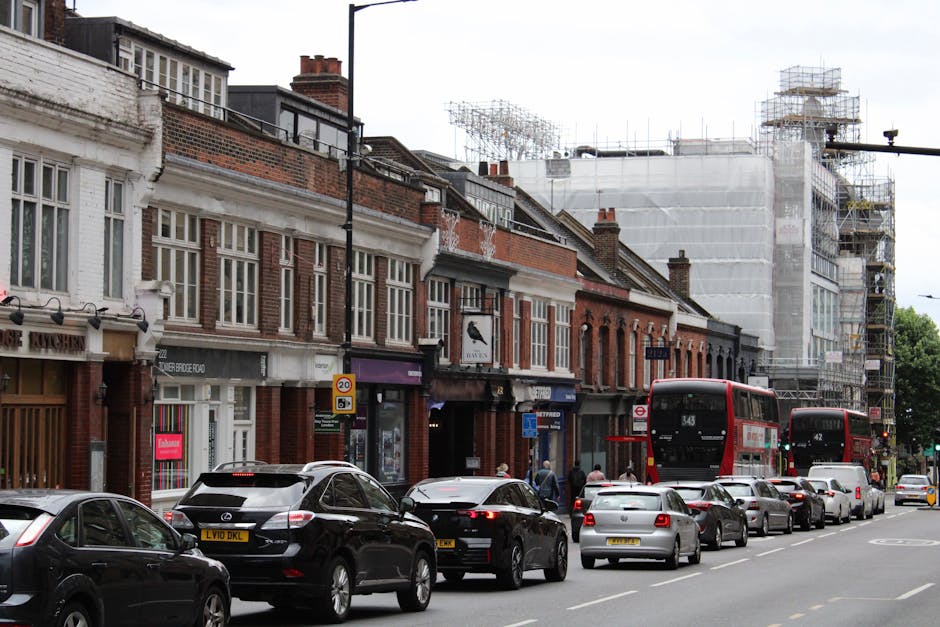
Why Flat Removals on Burdett Road & Beckton Road, E16 Matters
Flat moves are different from house moves in small but important ways. In a flat, access is often the deciding factor. A move may only involve a short distance between the front door and the van, yet that short distance can be full of friction: stairwells that are too tight for sofas, lift bookings that cut into your schedule, or busy roads where stopping for even a few minutes becomes a tactical exercise.
Burdett Road and Beckton Road sit in parts of east London where a local, well-planned approach is worth its weight in gold. Older apartment blocks, mixed-use buildings, and modern developments all come with different access rules. Some have communal entrances, some have controlled entry systems, and some seem designed by someone who has never tried carrying a mattress down a staircase. That is not unusual. It is just London.
For people in E16, flat removals matter because they reduce avoidable disruption. They also protect building common areas from damage, which helps you stay on good terms with neighbours, landlords, and building management. If you are leaving a rented flat, a smoother move can also make end-of-tenancy cleaning and handover far less painful. For a closer look at the final clean-up side of the process, see this pre-move-out cleaning guide.
Good flat removals are not just about lifting boxes. They are about timing, access, packing discipline, and keeping the whole move calm enough to stay manageable.
How Flat Removals on Burdett Road & Beckton Road, E16 Works
Most flat removals follow a similar pattern, but the details matter. A well-run move usually starts before the van arrives. First comes the assessment of what needs moving: furniture, white goods, fragile items, clothes, bedding, plants, and all the loose bits that turn up in drawers and cupboards. Then comes the access check. That means looking at stairwells, lifts, parking, and whether the loading route is realistic for the size of the items involved.
From there, the move is organised into manageable parts. Boxes are grouped by room or priority. Large furniture is prepared for movement, often with protective wrapping, blankets, straps, and a bit of dismantling if needed. If you are moving heavy or awkward items, professional handling is usually the sensible option. It is not glamorous, but it is safer. If you want a deeper explanation of careful lifting technique, this article on kinetic lifting gives a useful plain-English overview.
At the collection point, the team normally works in a clear order: fragile items first or separately secured, then larger furniture, then mixed boxes, then final checks for cupboards, loft-like storage areas, and hidden shelves. In a flat, one overlooked space can mean returning later for a lamp, charger, or important folder. It happens more often than people think.
The delivery side should be just as organised. Boxes should go to the correct rooms, furniture should be reassembled where agreed, and access routes should be kept clear so nobody is tripping over a mattress at 4pm on a Tuesday. A move that feels smooth usually looks boring from the outside. That is a good thing.
Key Benefits and Practical Advantages
There are a few clear reasons people choose professional flat removals in this part of E16 rather than trying to do everything in one rushed trip.
- Less physical strain: Stairs, tight corners, and heavy furniture can be rough on the back and shoulders.
- Better time control: A local removals plan can work around building access times, parking limits, and lift bookings.
- Lower damage risk: Proper wrapping and careful handling reduce the chances of scratched floors, chipped paint, or broken furniture.
- Less stress on move day: A clear process means fewer surprises, and fewer surprises is always the dream.
- More efficient loading: A removal van that is packed well can save multiple trips and wasted energy.
- Support with awkward items: Sofas, mattresses, wardrobes, fridges, and pianos need more than brute strength.
There is also a mental benefit that gets overlooked. When the move is managed properly, you are not spending the day apologising to neighbours, moving boxes twice, or wondering whether the lift booking was for 10:00 or 10:30. You can actually breathe a bit. Small thing, big difference.
For items that need storage rather than immediate delivery, a storage option may be the right bridge. If that is part of your plan, take a look at storage services as a useful example of how move-day flexibility can work.
Who This Is For and When It Makes Sense
Flat removals on Burdett Road and Beckton Road suit a wide range of situations, not just major life changes. The most common are:
- Tenants moving out of a rented flat
- First-time buyers relocating into an apartment
- Students moving between term-time homes and shared flats
- Couples downsizing from a larger property
- People upgrading within the same neighbourhood
- Residents needing same-day help after a delayed handover
- Anyone with bulky furniture and limited lift access
It also makes sense when your move is simple on the calendar but complicated in practice. For example, maybe the new place is only a few streets away, but the old block has no lift, parking is restricted, and the only usable loading point is on a narrow road at the busiest time of day. That is the sort of move that looks easy until you start carrying things.
If your move includes specialist items, you may need more than a standard flat service. For instance, a piano requires a very different approach from a few boxes and a bed. You can read more in this guide to piano moving. Likewise, if you are moving a bed or mattress, this bed and mattress moving article is well worth a look.
Step-by-Step Guidance
A sensible flat move is built in stages. Here is a practical sequence that works well for most E16 moves.
- Confirm the move date and access details. Check lift times, key collection, building rules, and parking options well in advance.
- Declutter first. Do not pack what you no longer want. It only creates more work later. This simple habit can change the whole tone of the move. If you want help with that, see decluttering before moving day.
- Gather packing materials. Boxes, tape, labels, stretch wrap, mattress covers, and protective blankets are all worth having early.
- Pack room by room. Mixed boxes create confusion. A tidy room plan makes unloading much easier.
- Prepare fragile items separately. Glassware, mirrors, pictures, and electronics should be clearly marked and packed with extra cushioning.
- Disassemble only what is needed. Beds, tables, and some wardrobes may need partial dismantling. Keep screws and fittings together in labelled bags.
- Protect floors and doors. Particularly in flats, a couple of scratched walls can cause trouble later.
- Load in a sensible order. Large items first, then boxes, then delicate items secured in the safest spaces.
- Do final checks before departure. Cupboards, shelves, balcony spaces, utility areas, and behind doors. Yes, behind the door. Always behind the door.
- Unpack the essentials first. Bedding, toiletries, chargers, tea, kettle, documents. The basics matter more than people expect on the first night.
This step-by-step flow works because it reduces the number of decisions you have to make while you are already tired. And tired decision-making? Not ideal.
Expert Tips for Better Results
There are a few small things that make a surprisingly large difference in flat removals.
Book around building access, not just your own availability
People often think in terms of their calendar alone. But in apartment moves, the building's rules can shape the whole day. Lift booking windows, concierge hours, and permitted loading times can all affect how long the move takes.
Label boxes by room and priority
A label like "kitchen" is useful. A label like "kitchen - plates and mugs - needed first" is better. It saves a lot of hunting around later, especially when everybody is hungry and looking for the kettle.
Use the right kind of packing for the right item
Books can be heavy in small boxes. Clothes can be packed in larger ones. Glassware needs dividers or extra wrapping. If you are looking for packing ideas that feel practical rather than fussy, this packing strategies guide is a good place to start.
Think about storage before the day arrives
Sometimes the new flat is not quite ready, or your furniture does not all fit at once. It helps to plan for temporary storage rather than forcing everything into one move. Sofas and other upholstered pieces especially benefit from being stored properly, which is why sofa storage advice can be surprisingly relevant during a relocation.
Keep an essentials bag separate
Phone charger, medication, ID, keys, toiletries, a change of clothes, and basic snacks. Nothing dramatic. Just the things that stop the first evening from becoming a mini disaster.
And one more thing: if you know there are heavy items, do not leave the lifting decision until move day. That is when people start saying things like "I think we can probably manage it." Usually, no, not really.
Common Mistakes to Avoid
Most moving problems are avoidable. They are not mysterious. They tend to come from rushing, guessing, or underestimating how awkward a flat move can be.
- Leaving packing too late: Boxes filled in a rush are more likely to break or go missing.
- Ignoring access restrictions: One missed booking or parking issue can stall the move.
- Overpacking boxes: A box that is too heavy is harder to carry and easier to drop.
- Not measuring furniture: A sofa that fits the old flat may not fit the new stairwell.
- Forgetting about communal areas: Hallways, lifts, and entrance spaces need to stay clear.
- Skipping insurance checks: You should understand what is covered before anything gets loaded.
- Trying to move risky items alone: Heavy lifts are where injuries and damage often happen.
There is also the classic mistake of not doing enough pre-move cleaning. Even if you are leaving a flat in a hurry, a small amount of extra effort can help the handover go more smoothly. For practical guidance, see this pre-move-out cleaning article.
One slightly sneaky mistake? Packing essentials into the first box you seal, then not remembering which box it was. Happens all the time. Don't do that to yourself.
Tools, Resources and Recommendations
For a flat move in E16, a few tools are genuinely useful rather than just nice to have:
- Strong cartons in mixed sizes for different item weights
- Packing tape and dispenser for speed and consistency
- Bubble wrap or paper cushioning for fragile items
- Furniture blankets to reduce scratches and knocks
- Mattress covers to keep bedding clean and dry during transport
- Straps and trolley equipment for safer movement of heavier goods
- Permanent markers and labels for fast sorting at the other end
If you are planning a move involving a freezer, it is worth checking storage and transit preparation carefully. Appliances are awkward in a different way: they are bulky, temperature-sensitive, and not forgiving if handled carelessly. This freezer storage guide is a useful companion read.
You may also want to look at a general service overview before booking. A clear services page helps you understand what is available, what is usually included, and what you may want to ask for in advance. For that, a page like services overview is helpful in planning the next step.
If you are comparing moving support options, a focused local page such as flat removals in Barkingside can also help you see how a similar service is structured in a nearby area.
Law, Compliance, Standards, or Best Practice
For residential removals, the key legal and best-practice issues are usually practical rather than complicated. The most important things are safe handling, clear communication, responsible access use, and respect for building rules and neighbours. If you live in a managed block, you may need to follow specific move-in or move-out instructions from the landlord, letting agent, freeholder, or building manager.
Health and safety should always come first. That includes sensible manual handling, using the right equipment, and not taking unnecessary risks with bulky furniture or awkward stairs. Professional movers should work in line with their own health and safety policies and carry appropriate insurance for the service they provide. If you want to understand this side better, a service provider's health and safety policy and insurance and safety information are worth reading before booking.
Best practice also includes transparency around pricing, payment, and any extra charges that may apply for stairs, waiting time, difficult access, or larger loads. You should know what you are paying for before the day arrives. That is only fair, really. If pricing is part of your decision, a clear pricing and quotes page can help set expectations.
If recycling or waste reduction is part of your move, especially when clearing out furniture or packaging, look for a provider that takes sustainability seriously. A good example is a visible recycling and sustainability approach, which shows the company is thinking beyond the van journey itself.
Options, Methods, or Comparison Table
Different flat moves need different approaches. Here is a simple comparison to help you choose what fits best.
| Method | Best For | Strengths | Limitations |
|---|---|---|---|
| DIY with a hired van | Small loads, easy access, light furniture | Lower upfront cost, flexible timing | More physical effort, higher damage risk, harder parking and loading |
| Man and van service | One-bed flats, local moves, moderate furniture | Quick, practical, good for short local journeys | May not suit very large or complex moves |
| Full flat removal service | Busy blocks, larger flats, bulky items, tighter schedules | More support, safer handling, better coordination | Usually costs more than doing everything yourself |
In simple terms, the right choice depends on your access, the amount of furniture you own, and how much time and energy you want to spend. If you are moving a few boxes and a small table, a man-and-van style arrangement may be enough. If you have a sofa, bed, wardrobe, and the usual mountain of household stuff, a fuller removal plan starts to make more sense.
For readers comparing local moving support, the service pages for man with a van support and removals services offer a useful sense of scope and flexibility.
Case Study or Real-World Example
Imagine a typical move from a second-floor flat near Beckton Road. The resident has a double bed, a compact sofa, two bookcases, kitchen boxes, a TV, and a few fragile items packed over several evenings after work. The building has a lift, but it is small. Parking is limited. The move-out window is tight because the new tenant is arriving later that afternoon.
In that situation, a planned flat removal works far better than a casual, last-minute approach. First, the larger furniture is assessed for whether it needs dismantling. Next, the boxes are sorted so the heavier ones are not stacked on delicate items. Then the loading order is set so the van can be packed in a way that avoids unnecessary reshuffling. That sounds minor, but it saves time fast.
The person moving also keeps one small bag aside with chargers, medication, snacks, and a kettle. Sensible move. By the time they reach the new flat, they are tired but not frazzled. The first evening is not luxurious, obviously, but it is calm enough to feel under control. And after all, that is what most people really want from a move.
If the same move involved a tight delivery window or an urgent handover, same-day support could also be relevant. In that case, the idea of same-day removals is worth knowing about, even if you do not end up using it.
Practical Checklist
Use this checklist in the last few days before your move.
- Confirm the move date and time
- Check lift access, stair routes, and parking arrangements
- Notify building management if required
- Measure large furniture against doorways and stair turns
- Pack essentials separately
- Label boxes by room and priority
- Keep fragile items well cushioned
- Defrost and prepare appliances if needed
- Dismantle furniture only where necessary
- Protect floors, walls, and door frames
- Set aside keys, documents, and ID
- Do a final sweep of cupboards, shelves, and storage spaces
Two last-minute checks are easy to forget: the top shelf in the kitchen and the back of the wardrobe. Funny how the small things always hide in the least convenient place.
Conclusion
Flat removals on Burdett Road and Beckton Road, E16 are rarely about one giant challenge. More often, they are a chain of little ones: access, timing, packing, lifting, parking, and keeping the day on track. Get those details right and the whole move becomes noticeably easier. Get them wrong and even a small relocation can feel draining.
The good news is that a well-planned move is completely achievable. With early preparation, careful packing, sensible handling of bulky items, and a service that understands local flat access, you can avoid most of the usual stress. It does not need to be dramatic. It just needs to be organised, calm, and a bit patient.
Get a free quote today and see how much you can save.
If you are planning your next move and want a steadier, more practical experience, start with the details that matter and the rest tends to fall into place. One box at a time, one room at a time. That's usually how the good moves happen.