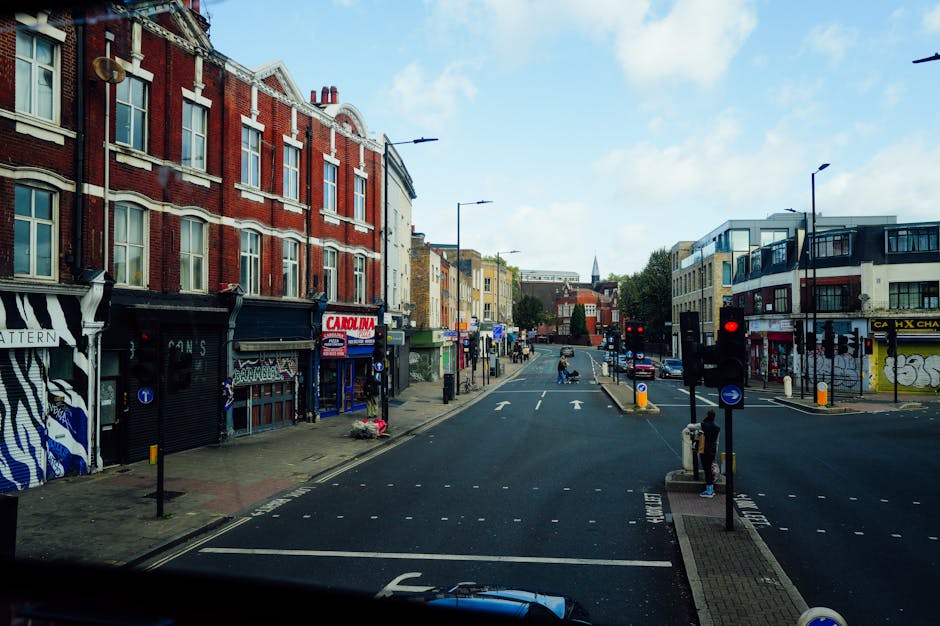
South Beckton Street Moves: Safe Narrow-Street Tips
Posted on 18/06/2026
South Beckton Street Moves: Safe Narrow-Street Tips for Tight London Access
Moving on a narrow street can feel like trying to thread a sofa through a keyhole while a delivery van, a neighbour's hatchback, and a bin lorry all have opinions about the timing. That is exactly why South Beckton Street Moves: Safe Narrow-Street Tips matters. If you are planning a move in South Beckton, the real challenge is not just carrying boxes; it is managing access, timing, parking, loading, and safety without turning the day into a traffic puzzle.
This guide breaks the process down in plain English. You will learn how to plan a safer move on a tight street, what to do before the van arrives, which items need extra care, and how to avoid the mistakes that cause delays or damage. Whether you are moving a flat, a family home, or just a few bulky pieces, the aim is simple: fewer headaches, fewer scuffed walls, and a smoother day overall.
Why South Beckton Street Moves: Safe Narrow-Street Tips Matters
South Beckton has plenty of streets where space is limited, turning radius is tight, and on-street parking can shrink your options fast. Add a removal van into that mix and the usual moving-day friction gets amplified. A narrow street does not just make things slower; it changes the risk profile entirely.
On a wider road, teams can often park close, unload in a clean line, and keep everything moving. On a tighter street, every decision matters: where the van stops, how long it stays, whether boxes are staged inside first, and whether large furniture should be wrapped before it even reaches the doorway. One small delay can ripple through the whole schedule.
That is why a narrow-street move should never be treated like a normal one with the same routine. To be fair, that is where many people get caught out. They plan for lifting and packing, but not for access. The street itself becomes part of the job.
There is also the neighbour factor. A blocked pavement, a noisy reverse manoeuvre, or a badly placed skip of boxes can create tension very quickly. Good planning helps keep everyone calm, and on a street where people are coming and going with school runs, deliveries, and daily life, that matters more than people expect.
If you want the broader moving side of things covered too, it helps to pair access planning with practical prep like these moving-stress reduction tips and sensible packing advice from packing efficiency guidance.
How South Beckton Street Moves: Safe Narrow-Street Tips Works
At its core, a safe narrow-street move is about reducing uncertainty before the van arrives. The process usually starts with a realistic look at access: how wide the street is, whether vehicles can pass, where the nearest suitable parking is, and how far items will need to be carried.
Then comes the load plan. Heavier items should be identified early. Fragile pieces, awkward shapes, and anything bulky need a route through the property that avoids corners, tight turns, and sudden lifting. If you have ever tried to get a mattress round a small stair bend, you will know the feeling. Slightly funny in hindsight, not at the time.
From there, timing becomes important. Early starts are often easier on busy residential streets because there is less traffic and fewer parked cars competing for space. But timing is not only about traffic. It is also about lifting conditions, building access, and how long your crew can keep a safe rhythm without rushing.
In practical terms, the move works best when you treat the street as an active part of the job, not a background detail. That means planning short carry distances, staging items sensibly, protecting common contact points, and keeping a clear line of movement from property to van.
For people moving from a flat or apartment, the principles are similar but the risk of congestion is higher. A sensible starting point is to look at flat removals in Beckton, because narrow access and stair handling often go hand in hand.
Key Benefits and Practical Advantages
There are several real benefits to doing narrow-street moving properly. The most obvious is safety, but the practical gains go further than that. When access is controlled well, the move tends to be quicker, less stressful, and easier to manage for everyone involved.
- Lower risk of damage: Fewer awkward lifts, fewer tight scrapes on walls, doors, or banisters.
- Better time control: Shorter loading delays and less waiting around for space to open up.
- Reduced strain: Less carrying distance usually means less fatigue and fewer mistakes late in the day.
- Less disruption: Neighbours, pedestrians, and passing traffic are less likely to be inconvenienced.
- Improved packing discipline: When access is tight, people pack more deliberately and label more clearly.
There is another benefit that gets overlooked: confidence. Once you know the plan is realistic, the whole day feels more manageable. That calmness matters. A calm move is usually a safer move.
Narrow streets can also make it easier to spot what really needs professional handling. For example, a heavy wardrobe that might be a manageable DIY lift on a driveway can become a real problem if the only route involves a twisting staircase and a parked van two doors down. In those cases, it is often smarter to use a service like man and van support in Beckton or a more complete removal service rather than trying to improvise.
Who This Is For and When It Makes Sense
This approach is especially useful for people moving in South Beckton where roads may be narrow, parked vehicles may limit access, and loading bays are not guaranteed. It is also a strong fit for anyone living in a terraced home, a maisonette, a converted flat, or a property with restricted frontage.
If you are moving a lot of furniture, a tight street can turn a simple job into a complicated one very quickly. The same goes for student moves, small business moves, and same-day relocations where there is little time to keep revisiting the plan. In those situations, access strategy is not a luxury; it is essential.
This is also the right approach if you are moving specific bulky items such as sofas, beds, or pianos. Those items do not forgive bad planning. A sofa does not care that the schedule is tight, unfortunately.
People who are decluttering before a move may find the whole process easier if they sort items in advance and reduce the number of heavy pieces leaving the property. A practical guide like moving decluttering advice can make a noticeable difference, especially in smaller homes.
If you are deciding between a DIY move and professional help, a narrower street usually pushes the balance towards experienced support. Not always, but often enough that it is worth thinking carefully.
Step-by-Step Guidance
Below is a straightforward way to handle a move where access is tight. It is not fancy, just practical. And frankly, practical is what you want on moving day.
- Measure the obvious bottlenecks. Check gate widths, hallway turns, stair corners, and front-door clearance. If a wardrobe only fits diagonally, know that before the van arrives.
- Survey the street early. Look at parking, road width, drop kerbs, and whether cars usually line both sides of the street. A quick walk at the same time of day can reveal a lot.
- Decide what must move first. Heavy, fragile, and awkward items should be identified before packing starts. This avoids last-minute reshuffling.
- Pack for carry distance. Use strong boxes, clear labels, and manageable weights. Overpacked boxes are a problem on any move, but even more so when you are walking them further than expected.
- Protect walls and floors. Use blankets, corner guards, and floor runners where needed. It saves time in the end, really it does.
- Create a staging area. Keep items near the exit but not blocking the route. A cluttered doorway is a trip hazard.
- Load in the right order. Larger, heavier pieces often go first, followed by boxed items and fragile goods. The van should be loaded with balance in mind, not just speed.
- Keep communication simple. One person should direct where possible. Too many voices at once leads to awkward pauses and, occasionally, a chair being rotated in three different directions for no good reason.
- Check the final walk-through. Before leaving, inspect hallways, skirting boards, and door frames for marks or forgotten items.
If heavy lifting is part of the plan, it is worth reading how to lift heavy items more safely and the wider perspective in this guide to better lifting techniques. Proper body mechanics are not optional in narrow spaces; they are the difference between controlled movement and a risky heave.
Expert Tips for Better Results
A few small adjustments can make a narrow-street move feel much more manageable. These are the sorts of details that seasoned movers pay attention to because, honestly, they save more trouble than most people expect.
1. Pre-stage by load type, not just by room
Instead of placing everything in one pile near the door, group items by weight and shape. Tall items, awkward items, and boxes with fragile contents should each have their own area. That makes the loading sequence smoother and reduces the chance of grabbing the wrong thing in a rush.
2. Keep the carry route dry and clear
A slightly damp pavement, a loose rug, or a cable across the hall can create a serious slip risk when combined with bulky items. On a narrow street, there is less room to recover if someone loses balance, so remove obstacles early.
3. Use the van space wisely
Loading is not just about fitting everything in. It is about keeping weight balanced and making sure delicate items are not crushed. A good loading plan is calm, steady, and methodical. If the van is crammed in a rush, you usually pay for it later.
4. Build in a buffer for parking delays
Even a well-planned move can be slowed by a neighbour's car, a delivery van, or a temporary obstruction. A small time buffer can prevent stress from snowballing. It is a bit dull as advice, but it works.
5. Match the service to the job
For a smaller move, a removal van in Beckton may be enough. For larger house moves, a fuller house removals service may be the smarter choice. If you are moving a business on a tight schedule, office removals support may suit better. The point is to match capacity to complexity.
And one more thing: if you are moving a sofa, mattress, or similar bulky item, plan the route from the room to the van before lifting. The best removal teams do not guess. They look, they plan, then they move.
For specific furniture, related guides such as moving a bed and mattress safely and sofa preservation and protection tips can be surprisingly helpful.
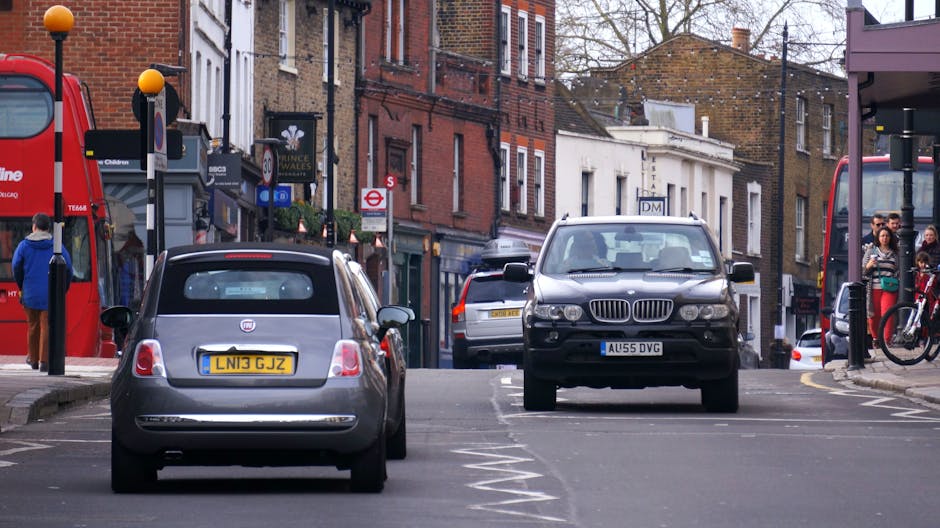
Common Mistakes to Avoid
Most narrow-street problems are predictable. That is the frustrating part. The same errors crop up again and again, usually because people focus on packing and forget access.
- Leaving parking to the last minute. This is probably the biggest one. If the van cannot get close, everything becomes slower and riskier.
- Underestimating carry distance. Ten extra metres does not sound like much until you are carrying a fridge or a double mattress.
- Overpacking boxes. Heavy boxes are difficult on stairs and awkward through narrow doorways.
- Ignoring stair geometry. One tight landing can completely change how a large item must be turned.
- Skipping protective materials. A moving blanket or floor protector is far cheaper than repairing a marked wall.
- Trying to do too much at once. If the route is tight, moving fast can be counterproductive. Slow down slightly and the job usually goes quicker overall.
Another common mistake is forgetting to factor in item sensitivity. For example, appliances and specialist items need different handling rules. A freezer is not a bedside table, and a piano is not just another heavy box. They each demand a bit more thought.
If you are planning a move with delicate or specialist items, the service pages for piano removals in Beckton and furniture removals can help frame the kind of support that may be appropriate.
Tools, Resources and Recommendations
The right tools can make a narrow-street move far safer and less chaotic. You do not need a truck full of specialist gear, but a few sensible basics go a long way.
| Item | Why it helps | Best use |
|---|---|---|
| Furniture blankets | Protects walls, doors, and item finishes | Sofas, wardrobes, desks, appliances |
| Ratchet straps | Helps secure loads in the van | Large items and mixed loads |
| Box trolley or sack truck | Reduces carrying strain on long or uneven routes | Heavy boxes, appliances, archive materials |
| Floor runners | Keeps carpets and hard floors cleaner and safer | Hallways, entrance paths, stairs |
| Labels and colour codes | Makes unloading faster and more organised | Room-based packing and fragile items |
Helpful planning resources are worth using too. If your move is likely to generate waste or leftover items, take a look at recycling and sustainability guidance. If you need boxes or packing material, the packing and boxes page is a sensible place to start.
For customers comparing options, the broader services overview and removals in Beckton pages can also help you decide how much support is needed. Sometimes people think they need a full-service move, then realise a smaller service is enough. Other times it is the reverse. Happens all the time.
Law, Compliance, Standards, or Best Practice
For street-based moving, the safest approach is to follow local parking rules, respect access for pedestrians, and avoid blocking driveways or emergency routes. Exact arrangements can vary by street and by borough, so it is always wise to check local requirements rather than assume a space will be fine.
From a best-practice perspective, a professional moving team should think about manual handling, safe loading, and risk reduction throughout the job. In the UK, good moving practice usually means using proper lifting technique, sharing loads appropriately, and avoiding unnecessary strain. That is especially relevant in narrow or awkward spaces where body position matters more than usual.
Insurance and safety are another practical concern. If a move is complicated by limited access, the risk of accidental damage can rise. It is worth checking how a provider handles this and what is covered. A page like insurance and safety information is useful for understanding the basics before you book.
You may also want to review health and safety policy details and the company's terms and conditions so there are no surprises. Not glamorous reading, sure, but worth it.
And if you are comparing firms, a transparent pricing and quotes process usually tells you a lot about how a company works. Clear pricing and clear access questions go hand in hand.
Options, Methods, or Comparison Table
If you are deciding how to handle a narrow-street move, it helps to compare the most common approaches. The right choice often depends on access, item size, and how much time you have.
| Approach | Best for | Pros | Trade-offs |
|---|---|---|---|
| DIY move | Very small loads, simple access | Lower upfront cost, full control | Higher physical effort, more risk on tight streets |
| Man and van | Small to medium moves, limited access | Flexible, practical, often quicker than DIY | May still need careful pre-planning and packing |
| Full removals service | Larger homes, heavier furniture, awkward layouts | More support, usually better for complex access | More coordination required, higher service scope |
| Same-day removals | Urgent situations or short notice | Fast response, convenient in a pinch | Less margin for planning, so access details matter even more |
For many South Beckton moves, the sweet spot is a flexible van-based service with a crew who understands access constraints. That is especially true for flats, student moves, and short-notice relocations. If speed is essential, same-day removals in Beckton may be worth exploring, but only if the access story is clear.
Case Study or Real-World Example
Imagine a two-bedroom flat on a narrow South Beckton street. There is parking on both sides, a tight front path, and a staircase with a sharp turn halfway up. Nothing dramatic, just the sort of layout that quietly complicates everything.
In that situation, the move goes much better when the plan starts the day before. Boxes are sorted by room and weight. The sofa is wrapped in advance. The mattress is bagged and kept clear of damp pavement. The van is booked with enough time to allow for a short carry distance from the nearest workable position, instead of expecting a perfect front-door slot that may never appear.
On moving day, the team places floor protection at the entrance, checks the stair bend before lifting, and loads the heaviest items first. The route stays clear. No frantic reshuffling, no one shouting over the street, no mystery box blocking the hall at the last minute. It is not glamorous, but it works.
That kind of move often feels almost boring by the end. Which, for removals, is exactly what you want. Quietly successful is a very good outcome.
If a similar move involves a nearby docking or waterfront area, a related local guide like moving tips near Royal Albert Dock may offer extra local insight on access and planning.
Practical Checklist
Use this checklist in the days before the move. It keeps the essentials in view when everything else is a bit chaotic.
- Confirm the van size and access requirements.
- Check parking options on the street and nearby alternatives.
- Measure doors, halls, stairs, and awkward turns.
- Identify bulky items that need special handling.
- Pack heavy items into smaller boxes.
- Label boxes by room and priority.
- Protect floors, corners, and door frames.
- Keep the entrance clear for loading.
- Arrange disassembly tools if furniture needs to be taken apart.
- Set aside essentials you will need straight away at the new place.
- Review insurance and safety information before the move.
- Do a final walk-through before leaving.
Expert summary: Narrow-street moves are won before the van arrives. If you prepare access, reduce bulky clutter, and plan the carry route properly, the actual move becomes far safer and easier to manage.
For anyone still building their plan, it can help to think about the move as three jobs: packing well, lifting safely, and managing the street. If one of those is weak, the whole day feels harder. If all three are handled properly, the difference is noticeable.
Conclusion
South Beckton narrow-street moves are not about luck. They are about preparation, pacing, and making smart decisions before a single box is lifted. When you account for parking, access, carrying distance, and item protection, you remove much of the stress that makes moving day feel overwhelming.
The good news is that most of the hard work is predictable. If you know the street is tight, plan for it. If furniture is bulky, measure it. If the route is awkward, protect it. Small actions add up, and that is usually what saves the day.
Whether you are moving a flat, a house, or a few valuable items, the aim is the same: keep people safe, protect your belongings, and avoid turning a practical task into a last-minute scramble. That is the real value of careful street planning.
Get a free quote today and see how much you can save.
And if you take only one thing from this guide, let it be this: slow, planned, and steady usually beats rushed every single time. A calm move is a better move.